Festes de Sant Joan: the truest face of Ciutadella

An ancestral celebration where Menorcan horses, tradition and collective emotion turn Ciutadella into the cultural heart of the island
Every June, Ciutadella transforms into a vibrant stage where history, music, horses and shared emotion come together to create Menorca’s most iconic festivity. The Festes de Sant Joan, which mark the start of the summer, are a living expression of Menorcan soul—a moment in time where everything slows down to honour tradition.
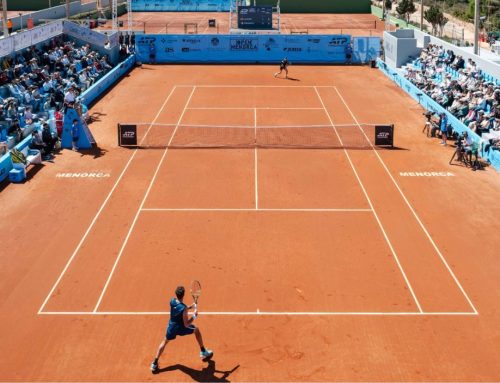
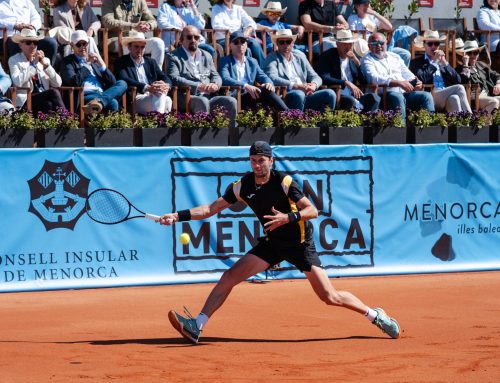
With over six centuries of history, as documented by the Fundació Foment del Turisme de Menorca and Ajuntament de Ciutadella—sponsors of the Open Menorca ATP Challenger 100—this festival not only commemorates Saint John the Baptist, but reaffirms the collective identity of the Menorcan people.
Although the main events take place on 23 and 24 June, the emotion begins the previous Sunday with the symbolic Dia des Be, growing into a shared wave of anticipation that peaks with the unforgettable Jocs des Pla.
A medieval legacy in every street
The origins of this celebration date back to the 14th century, when locals made a religious pilgrimage to the chapel of Sant Joan de Missa. Despite the passing of time, the festival has preserved its essential structure: a carefully orchestrated ritual full of symbolism, reflecting the traditional social hierarchy of the island.
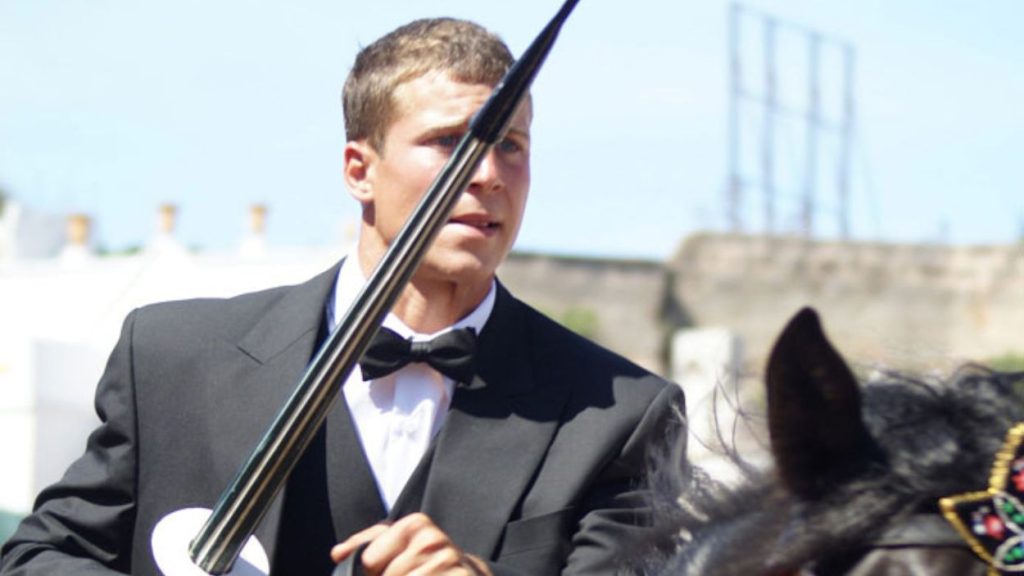
At the heart of it all are the caixers, horsemen who represent the different social estates: the caixer senyor (nobility), caixer capellà (clergy), caixer casat and caixer fadrí (craftsmen), and the caixers pagesos (peasants). Mounted on majestic Menorcan horses, they follow a strict and unchanging protocol, bringing dignity and beauty to every moment.
The Menorcan horse: strength, elegance and character
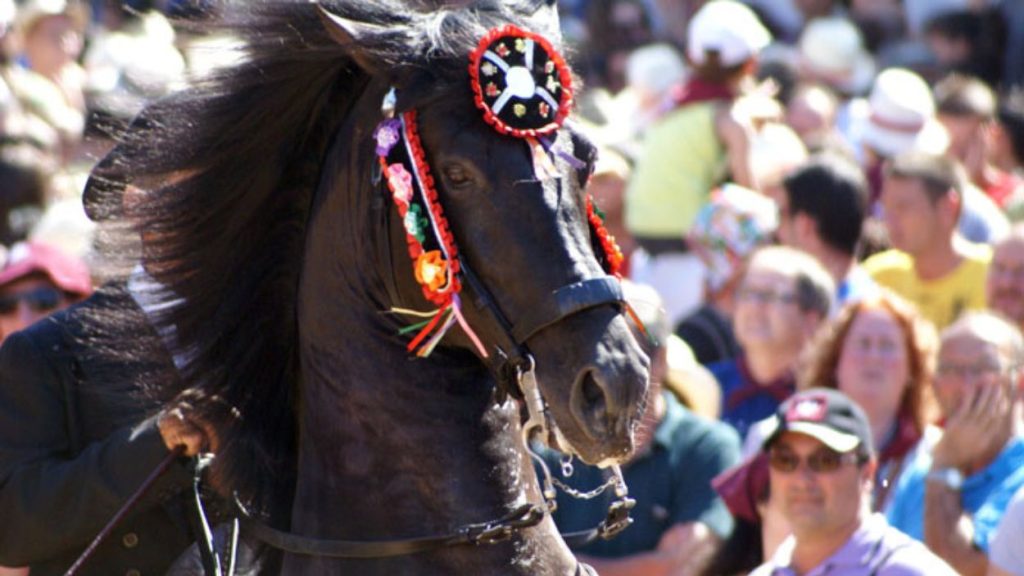
To see a purebred Menorcan horse in motion is to witness a display of elegance and strength. With its jet-black coat, refined limbs, expressive eyes and noble temperament, this warm-blooded breed is a true symbol of Menorcan identity. Carefully bred and preserved by the Association of Breeders and Owners of Menorcan Horses, the animal is inextricably linked to the spirit of the festival.
In the hustle of the square, the horse remains unfazed. It rears, spins, responds to music and the crowd without hesitation. Its poise and training make it the perfect companion for the jaleo, one of the most spectacular and emblematic moments of Sant Joan.
The jaleo: emotion rising on two legs
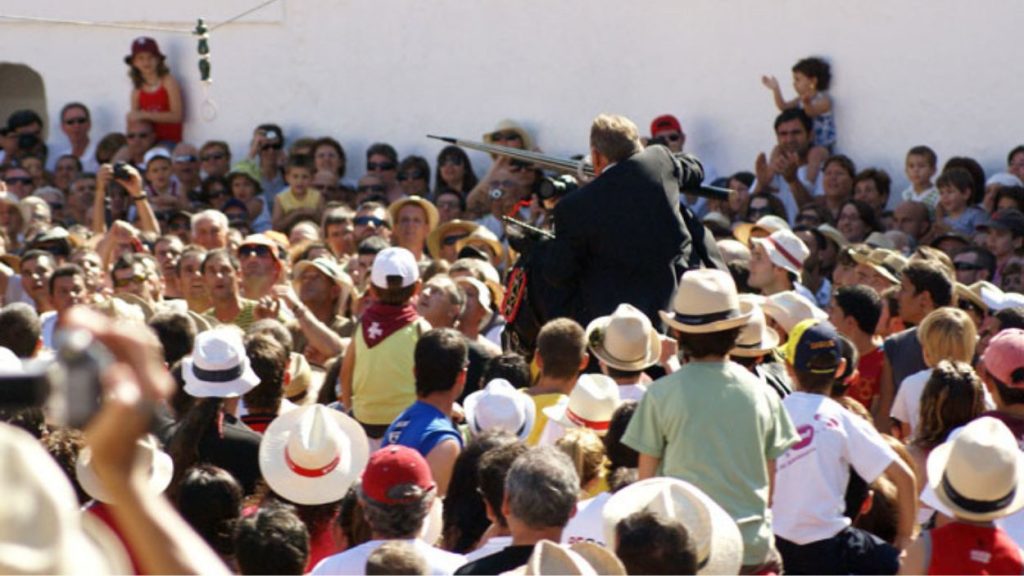
The Caragol del Born, held on the evening of 23 June, is perhaps the most iconic image of the Festes. Over 100 riders, dressed impeccably in black and white —tails, red sashes, tall boots— enter the stately Plaça des Born mounted on their horses, as an expectant and respectful crowd fills every balcony, step and corner, some seated on traditional rush-seated chairs.
Then the jaleo music begins—repetitive, urgent, electrifying. The horses rear up, almost dancing, balanced and confident. The crowd holds out their hands, guides them, applauds them, and moves in rhythm with the music. The sound of hooves, the beat of the drum, the smell of leather and sweat—it’s a sensory symphony, unforgettable and deeply Menorcan.
The jaleo is a unique equestrian tradition, part ritual, part dance, part devotion—with roots tracing back to the 14th century.
Diumenge des Be: purity made ritual
The first formal act of the Festes takes place on the previous Sunday, known as Diumenge des Be. The ‘homo des be’, a young man dressed in lambskin with painted crosses on his feet, arms and forehead, walks barefoot through the streets carrying a decorated white lamb adorned with ribbons and flowers. He is followed by caixers, musicians and neighbours in a solemn and moving procession, representing Saint John the Baptist himself.
The lamb is chosen and cared for weeks in advance by a farming family, who prepare it with the help of locals the night before. This ritual, full of emotional weight, symbolises purity, faith and the continuity of tradition.
23 and 24 June: days of history and community
On 23 June, following the traditional toc de fabiol, the central events begin. The sharp sound of the fabiol (Menorcan flute) and drum signals the start of a ceremonial mood across the city. Riders gather for the first caragol, circling around Plaça del Born before departing on pilgrimage to the Sant Joan de Missa chapel in an act of solemnity and spiritual continuity.
That same day, the hazelnut battle takes over the streets: locals throw empty hazelnuts at each other playfully, in a festive gesture of shared joy. For children, it’s a rite of passage; for adults, a nostalgic tradition.
By nightfall, the Caragol de Santa Clara weaves through the narrow streets of the old town. In this more intimate version of the jaleo, horses even enter the homes of locals, rearing gracefully in candlelit rooms as neighbours applaud with emotion.
On 24 June, the liturgical feast day of Saint John, the Missa de caixers is followed by the thrilling Jocs des Pla. In this medieval-style tournament, riders perform feats of skill at full gallop: piercing rings with lances or attempting to break decorated shields (ses carotes). When successful, the crowd rushes to collect the fragments as keepsakes—a ceremony of triumph and celebration.
A tradition beyond time
Sant Joan is not a festival created for tourists. It is a deeply rooted celebration for and by the people of Ciutadella, lived with pride, passion and a strong sense of identity. Yet, those who witness it respectfully will feel part of something truly special. Doors open, gin amb llimonada is offered, children dress up, elders share stories.
Every gesture, glance and hoofstep carries meaning. Because Sant Joan is Ciutadella, and Ciutadella is Menorca.
Sant Joan in June, tennis in spring: two souls of one island
The Festes de Sant Joan, held each 23 and 24 June, celebrate tradition, identity and community. Meanwhile, the Open Menorca ATP Challenger 100, held in late March or early April, brings international tennis and youthful talent to the island.
Together, these events offer two unique experiences. One rooted in the past, the other looking to the future. One is shared heritage; the other, elite sport. And both take place in Ciutadella—a city where emotion always finds its stage.
Photos: Fundació Foment del Turisme de Menorca