Talayotic Ciutadella: ancient roots meet modern tennis
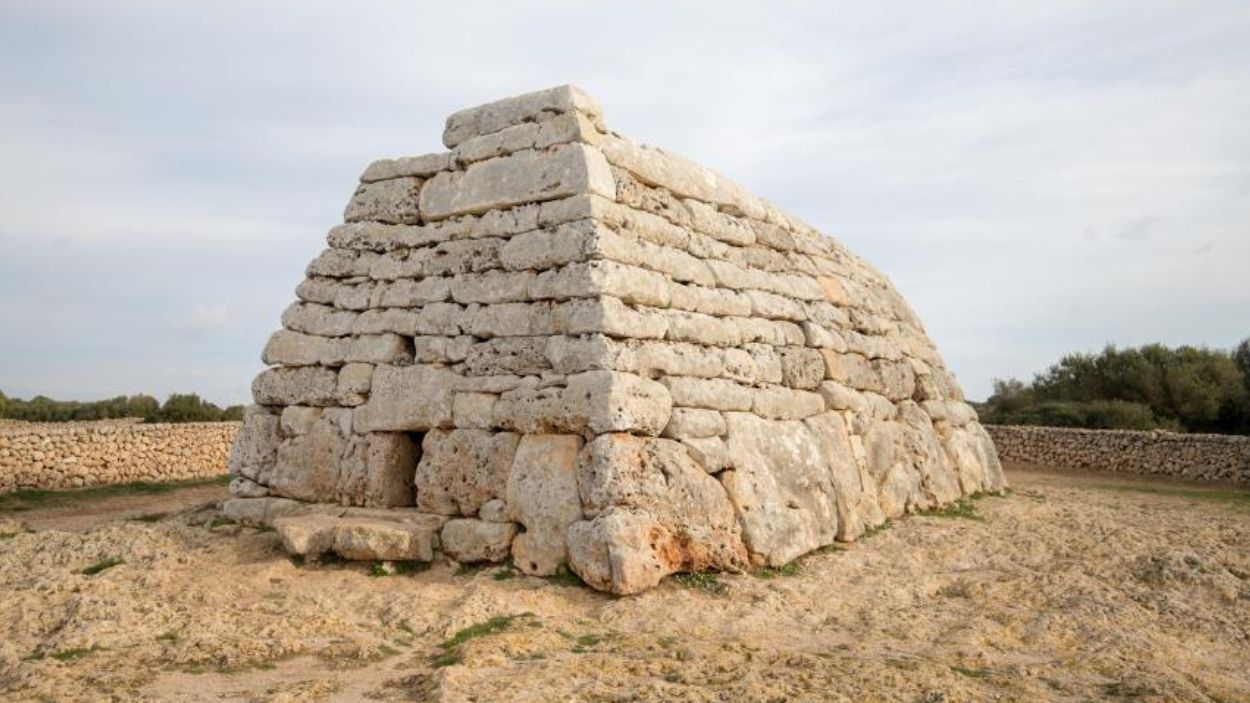
A prehistoric legacy and UNESCO World Heritage Site since 2023, just steps from Club Tenis Ciutadella, home to the Open Menorca ATP Challenger 100
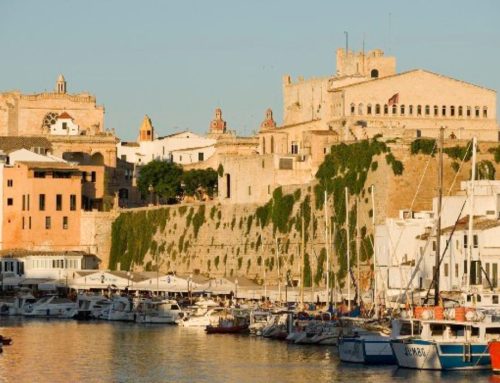
You don’t always need a book to uncover history. Sometimes, it’s enough to lift your gaze or follow a stone path to come face to face with the past. In Ciutadella, on the western tip of Menorca, ancient and modern worlds coexist in perfect harmony.
And during the Open Menorca ATP Challenger 100, that harmony becomes even more striking. Just minutes from Club Tenis Ciutadella, the Talayotic culture—ancient and powerful—continues to speak to those who are curious enough to listen.
In 2025 or 2026, with the tournament now firmly established on the international circuit and Ciutadella as its springtime tennis capital, there’s no better moment to discover that this island offers more than just top-tier tennis—it’s also a place where you walk among 3,000 years of human history.
Talayots, taulas and navetas: the archaeological DNA of Menorca
The first communities that settled in Menorca left behind traces that have shaped the island’s heritage and landscape.
Menorca holds the world record for the highest density of prehistoric archaeological sites—over 1,500 across just 702 square kilometres. These remains offer a remarkable insight into early Mediterranean civilisations and are a powerful symbol of the island’s identity.
The Talayotic culture is one of Menorca’s most distinctive and defining legacies. According to the Fundació Foment del Turisme de Menorca, it flourished between 1600 and 123 BC and is known for its dry-stone megalithic architecture made of local limestone.
Its name comes from the talayots, large stone towers—truncated cones—which may have served defensive, ceremonial or social functions.
But the talayots are just the beginning. Menorca is also home to taulas—T-shaped monuments found only on the island, likely used as sanctuaries or altars.
And then there are the navetas, collective burial chambers that reflect the complex spiritual and social life of these ancient communities.
This extraordinary heritage was officially recognised in September 2023, when UNESCO designated the “Talayotic Menorca” as a World Heritage Site, celebrating both its cultural value and outstanding state of preservation.
Ciutadella: a cultural hub since prehistory
Every spring, around late March and early April, the streets and courts of Ciutadella come alive with the buzz of rackets and cheers during the Open Menorca ATP Challenger 100.
And just a short walk from both the historic centre and Club Tenis Ciutadella lie some of the island’s most fascinating archaeological sites—living witnesses to an ancient past.
Here are some of the most remarkable examples, curated by Menorca’s Talayotic Heritage Agency:

Naveta des Tudons
Menorca’s most iconic prehistoric monument. This Bronze Age collective tomb is shaped like an upside-down boat and built without mortar. Excavations in the 1960s uncovered remains of at least a hundred individuals, alongside grave goods such as bronze bracelets, bone buttons, weapons and pottery. It’s an essential stop for anyone exploring the island’s ancient past.

Son Catlar
The largest Talayotic settlement on the island, covering 42,420 m². It features a fully intact cyclopean wall nearly 900 metres long, four round talayots, a partially preserved taula, domestic ruins, and a striking monolith engraved with a human-like figure. The site was inhabited from 1000 BC up to the Roman conquest.

Torretrencada
A smaller settlement with one of the best-preserved taulas in Menorca, complete with a rear buttress. Also on site are a talayot, hypogea, house foundations and sections of the original enclosure. Evidence suggests it remained inhabited into medieval times.

Torrellafuda
Tucked within a grove of wild olive trees, this site is known for its atmosphere and charm. It includes a talayot, a taula, dwellings and a necropolis with several hypogea. One burial cave yielded Roman-era lead sling bullets—evidence of overlapping civilisations.

Torre del Ram Hypogeum
Located in Cala en Blanes, this long, narrow underground tomb features schematic engravings of boats and unidentified symbols. Though not yet fully studied, it offers a compelling glimpse into the island’s Bronze Age funerary rituals.

Cala Morell Necropolis
An awe-inspiring complex of 14 rock-cut burial caves used between 1700 BC and the 2nd century AD. Early caves are small and circular, while later ones mimic post-Talayotic homes, with carved columns, stairways and even patios. One standout cave has a sculpted façade with classical architectural motifs.

Coll de Cala Morell
A dramatic coastal site from the Bronze Age, with 13 houses and a necropolis of 17 artificial caves. Unlike typical naviform architecture, the buildings here use small stones—a surprising technique for the time. Archaeologists from the “Entre Islas” project believe this was one of the last naviform settlements built, shaped under pressure from the rise of Talayotic society.

Montefí
Once a large and strategically located Talayotic site near the old harbour of Ciutadella. It lacks a visible taula, possibly due to destruction over time, but would likely have held one. The site remained in use well into the Roman era.
Many of these locations are open to the public and easily accessible through signposted routes that blend gentle hiking, Mediterranean scenery and hands-on archaeology—according to the Ajuntament de Ciutadella.
From past to present: tennis as a bridge through time
What’s extraordinary about Menorca is how seamlessly you can move from the 13th century BC to the 21st century—all in a single morning.
Start the day watching top-tier tennis at the Open Menorca ATP Challenger 100. Then head out in the afternoon to wander among ancient stone structures, listening to the echoes of lives long past.
This balance between heritage and modern life is part of the island’s unique charm. It’s no coincidence that the tournament’s institutional partners—the Consell Insular de Menorca and the Ajuntament de Ciutadella—actively promote a model of sustainable, culturally rich tourism. One where sport doesn’t overshadow identity, but enhances and celebrates it.
As a symbolic tribute to that legacy, the tournament trophy awarded to singles and doubles champions is a miniature taula—an elegant nod to the island’s most iconic monument.
Talayotic Ciutadella isn’t just an archaeological site frozen in time. It’s a living, evolving part of Menorcan identity. And now, thanks to the global reach of the Open Menorca ATP Challenger 100, that story is reaching new audiences—drawn by the sport, and inspired by the past.
Fancy discovering ancient history between the next big serves? Talayotic Ciutadella awaits.
Photos and archaeological references: Menorca Talayotic Agency.